Information You Must Not Share
Do not post, share, request, sell, link to, or threaten to disclose personally identifying information. The rule applies to your own information as well as someone else's. Permission does not make the disclosure acceptable. Do not identify the person behind an account or combine scattered details to locate or expose them.
- Private contact information, home addresses, and precise or live locations.
- Identity documents, financial details, medical records, and account credentials.
- Information that connects an account to a person's private identity or location.
Check Text and Attachments Before Posting
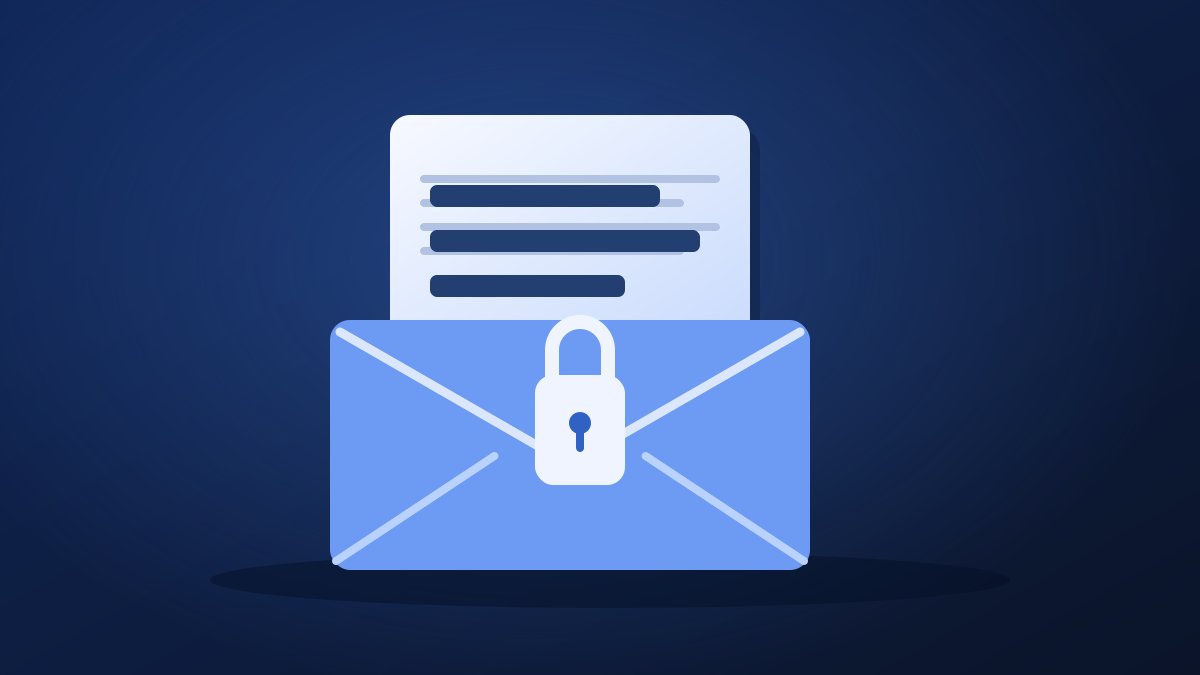
Review every attachment, not just its main subject. Screenshots can include contact details, account credentials, addresses, or information in a background window. A link can disclose the same information as a direct upload. Do not include real private details as an example or publish a partially hidden record that still identifies the person. Remove the sensitive material before you share anything.
Report a Disclosure Without Repeating It
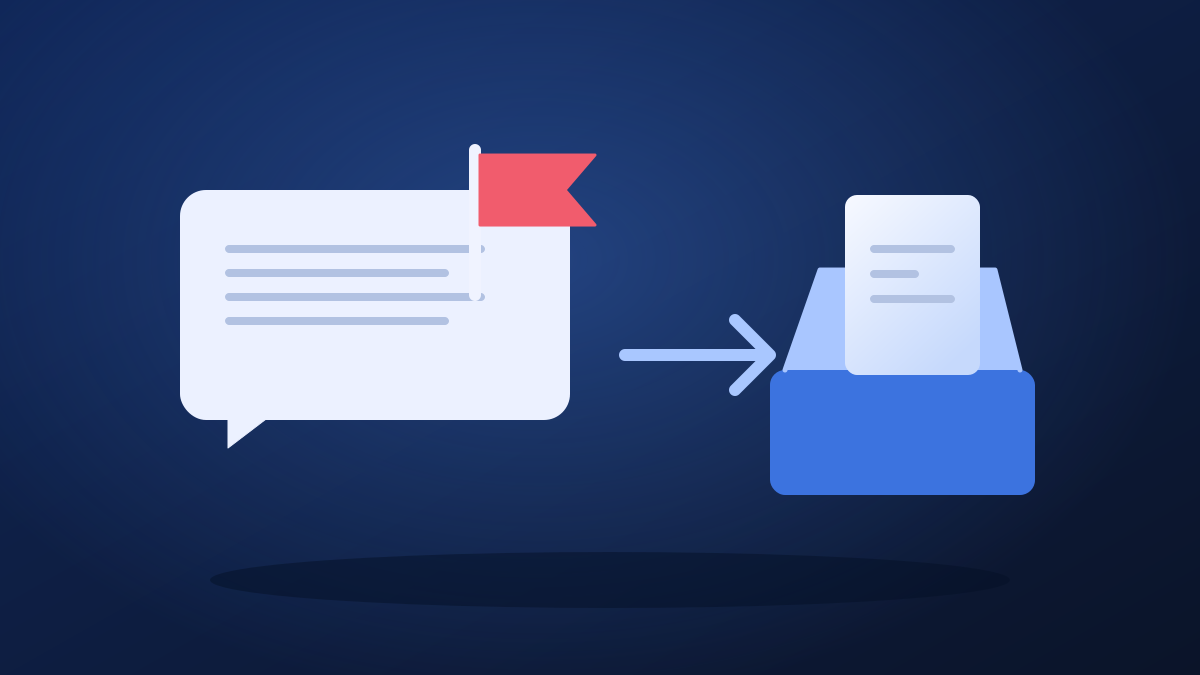
Do not ask other users to confirm a person's identity or location. Use the original reporting controls so the concern stays attached to the material that needs review.
- Open the post or profile containing the information.
- Use its Report control and select the relevant privacy category.
- Explain the nature of the disclosure if the form asks for details; do not add unnecessary identifying information.
- Do not quote, repost, or screenshot the disclosure into a new public post.
Consequences and Mistaken Findings
Every confirmed personal-information violation results in automatic permanent suspension, including a first offense or a disclosure made with permission. This does not depend on the post's reach or proof of later harm. If you believe a finding is mistaken, appeal the decision through Account Standing and explain the error. A confirmed violation is not reduced to a temporary penalty through appeal.